

Pick up an omin cue for the first time, and most players can sense something before they ever take a shot. Longtime snooker fans often compare that feeling to what they experience with Peradon cues, a quiet confidence that starts in the hand. That early impression shapes how players think about control, rhythm, and personal connection to the game. Within seconds, the cue stops feeling like equipment and starts feeling like an extension of the player.
That moment of recognition is where the science of feel begins, even if it never feels scientific. Players rarely talk about grams, balance points, or materials when they describe a great cue. They talk about trust. They talk about how the cue moves when the arm swings, how it settles before contact, how the shot feels clean even when the table is unforgiving. This is the human side of performance, where physics quietly supports instinct.
Every player remembers the first time a cue truly fit. Maybe it could be a casual frame at a local club, or a pressure-filled match where everything else felt uncertain. The cue did not fight back. It followed the stroke naturally, almost requiring less effort while delivering more accuracy. That sensation is not imaginary. Weight distribution, length, taper, and finish all shape how the brain interprets movement. When those elements align, confidence follows.
Weight is often misunderstood. Many assume heavier cues equal more power, while lighter cues offer finesse. Real performance lives in the balance between the two. A cue that feels too heavy can slow the stroke, causing tension in the wrist or shoulder. One that feels too light may feel unstable, especially under pressure. The right weight does not announce itself. It disappears, allowing the player to focus on the table rather than the tool.

Balance plays an even quieter role. When the cue’s centre of gravity sits comfortably in the player’s grip, the stroke becomes smoother without conscious effort. This is why two cues with the same weight can feel completely different. One feels alive, the other awkward. The hands notice before the mind catches up. Over time, this balance helps build consistency, especially during long sessions where fatigue becomes a factor.
Feel is also deeply personal. What feels perfect to one player might feel wrong to another. Hand size, stance, tempo, and even personality influence preference. Some players enjoy a firm, solid response at impact, while others prefer a softer sensation that absorbs vibration. Neither is right nor wrong. Performance improves when the cue complements the player’s natural rhythm rather than forcing adjustment.
Stories from seasoned players often return to this idea of harmony. Many recall struggling early on, switching cues frequently, and blaming missed shots on technique. Then one day, everything clicked. The cue stopped being a variable. Misses became lessons instead of frustrations. Wins felt earned rather than accidental. That turning point often marks a deeper relationship with the game itself.
Performance is not only about potting balls. It includes how a player feels walking into a frame, how steady the hands are under pressure, and how resilient the mindset becomes after a mistake. A cue that feels right contributes quietly to all of this. It reduces mental noise. It supports confidence without demanding attention. In high-pressure moments, that calm familiarity can be the difference between hesitation and commitment.
There is also an emotional layer that science rarely measures. Many players grow attached to a cue over the years of practice and competition. Dings, worn finishes, and subtle changes become part of its story. Each mark represents a frame played, a lesson learned, a moment survived. Replacing such a cue is not easy, even if something newer promises better specs. Performance, at its core, is tied to comfort and memory.
The environment matters too. Lighting, table conditions, and even crowd noise can affect the perception of feel. A cue that performs beautifully in practice might feel different in competition. Experienced players learn to trust their cue through these changes, relying on muscle memory built over time. This trust frees the mind to focus on strategy rather than mechanics.
Modern discussions around equipment sometimes lean heavily into numbers and materials, but the most compelling conversations still revolve around experience. Ask players why they love a particular cue, and they rarely start with data. They describe how it makes them feel when lining up a difficult shot, how it steadies them when nerves creep in, and how it rewards a smooth stroke. These stories reveal the true intersection of science and emotion.
At its heart, the science of feel, weight, and performance is about removing barriers. The best cues do not make promises or demand attention. They allow players to express their game honestly. When the cue feels right, performance becomes less about effort and more about flow.
That is why players continue searching, testing, and refining their choices. They are not chasing perfection on paper. They are chasing that moment when everything feels aligned, when the cue becomes invisible, and the table feels full of possibility. In those moments, science has done its job, quietly, reliably, and without ever needing to be named.
Performance also evolves as players do. What feels right at one stage of a journey may change with experience, confidence, and ambition. The cue becomes a companion through that evolution, adapting as touch improves and expectations rise. This ongoing relationship keeps the game engaging, personal, and deeply rewarding, reminding players that growth is not just measured in wins, but in how the game feels frame after frame.



































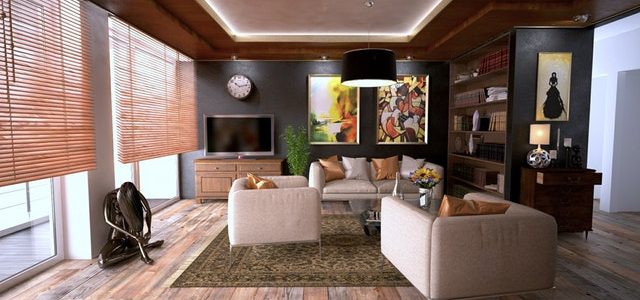
 The way in which many pieces of artwork are balanced can also be utilised in interior design schemes. Produce balance by means of a symmetrical layout utilizing furniture or decorative accessories, such as a centrally positioned side table with matching lamps and chairs on either side. Alternatively, you may produce an edgier interior scheme by using an asymmetrical setup, balancing a huge corner sofa on one side of the room with smaller, daintier chairs on the other. You could also utilize the artists’ technique of ‘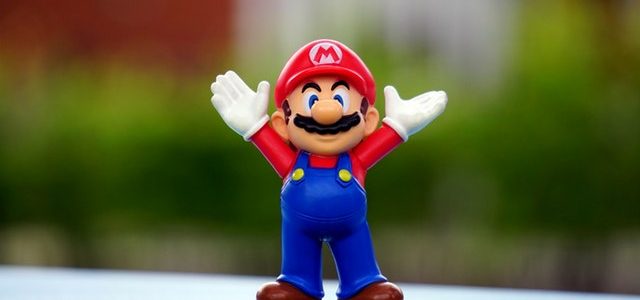
 With Yoshiaki Koizumi creating the game, the Parallels between surrealist art as well as the worlds of Super Mario Odyssey should not come as a surprise. Koizumi has a history of creating worlds that push the bounds of creativity. The Legend of Zelda: Link’s Awakening, renown for its zany story, was written by Koizumi. He also led Donkey Kong: Jungle Beat and Super Mario Sunshine, while playing a key role in creating Majora’s Mask and The Wind Waker.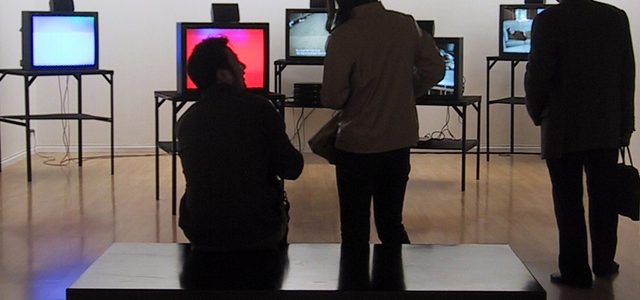
 XYZT at Artechouse will be open daily from 10 a.m.-11 p.m. with 45 minute timed-entry sessions. Tickets will go on sale online Wednesday, April 19, at 10 a.m. for Artechouse e-news customers and Thursday, April 20 for the general public.

 “He’s truly hectic due to the fact that a lot of people are tearing down his door.” Previous NBA gamer Kevin Brooks stated Beck’s working relationship with the league was extraordinary. “It’s quite unique, it’s rather amazing to be truthful with you, a young kid like that to be picked up by the NBA since that’s not something that’s quickly done, no matter where you are in the world,” he stated. “He’s well on his way to a rather profitable and most importantly, I believe, enjoyable profession for himself.”
 This consistent interaction and industry-led learning is vital. It’s all undoubtedly exceptional, applying your self-motivation to study Maya, Max or Nuke, maybe through an individual student learning edition that’s just a part of the ‘experience’ that studios are trying to find. These experts also have to understand that you, as a potential worker, comprehend studio pipelines and due dates, the principles of animation and CGI, what each member of the studio group is accountable for, and how the abilities of each artist contribute and dovetail together to provide a completed scene, video game level or visual impact.